Written by Jake Aaron | wewrite.best | [email protected]
Arizona’s high ultraviolet radiation and extreme temperature swings create specific physical stress on a building’s exterior. National schedules recommend a ten-year cycle, but the local climate shortens it for properties. Commercial painting in this region requires knowing how local weather and conditions affect your property so you can protect it and control costs. Staying ahead with regular maintenance keeps your building solid and looking professional to tenants and visitors.
Why Arizona’s Climate Shortens Commercial Building Repaint Cycles
The state has one of the highest average UV index levels in the United States, along with prolonged summer heat and seasonal monsoon storms. According to the U.S. Environmental Protection Agency, ultraviolet radiation breaks down materials over time, including exterior coatings. When combined with temperature swings and sudden rainfall, this exposure speeds up paint failure compared to milder regions.
Environmental Factors and Material Breakdown
These environmental pressures work together to weaken exterior coatings faster than many property owners and managers expect.
- Surface Chalking: Intense sunlight weakens the paint binder. As it breaks down, the surface turns into a fine powder. This chalking means the coating is no longer protecting the stucco, masonry, or concrete underneath.
- Thermal Expansion: Arizona summer temperatures often exceed 110°F in many areas of the state. Building materials expand during the day and contract at night. This constant movement stresses the paint film and leads to cracking over time.
- Loss of Adhesion: When paint loses flexibility from prolonged UV exposure, it cannot move with the surface. Peeling and flaking follow, especially on west and south-facing walls that receive the most direct sunlight.
- Moisture Entry: While much of the year is dry, monsoon storms bring heavy rain in short periods. Water can enter small cracks in failing paint. Once moisture gets behind the coating, it can damage wall systems and increase repair costs.
Targeted Maintenance for High-Wear Zones
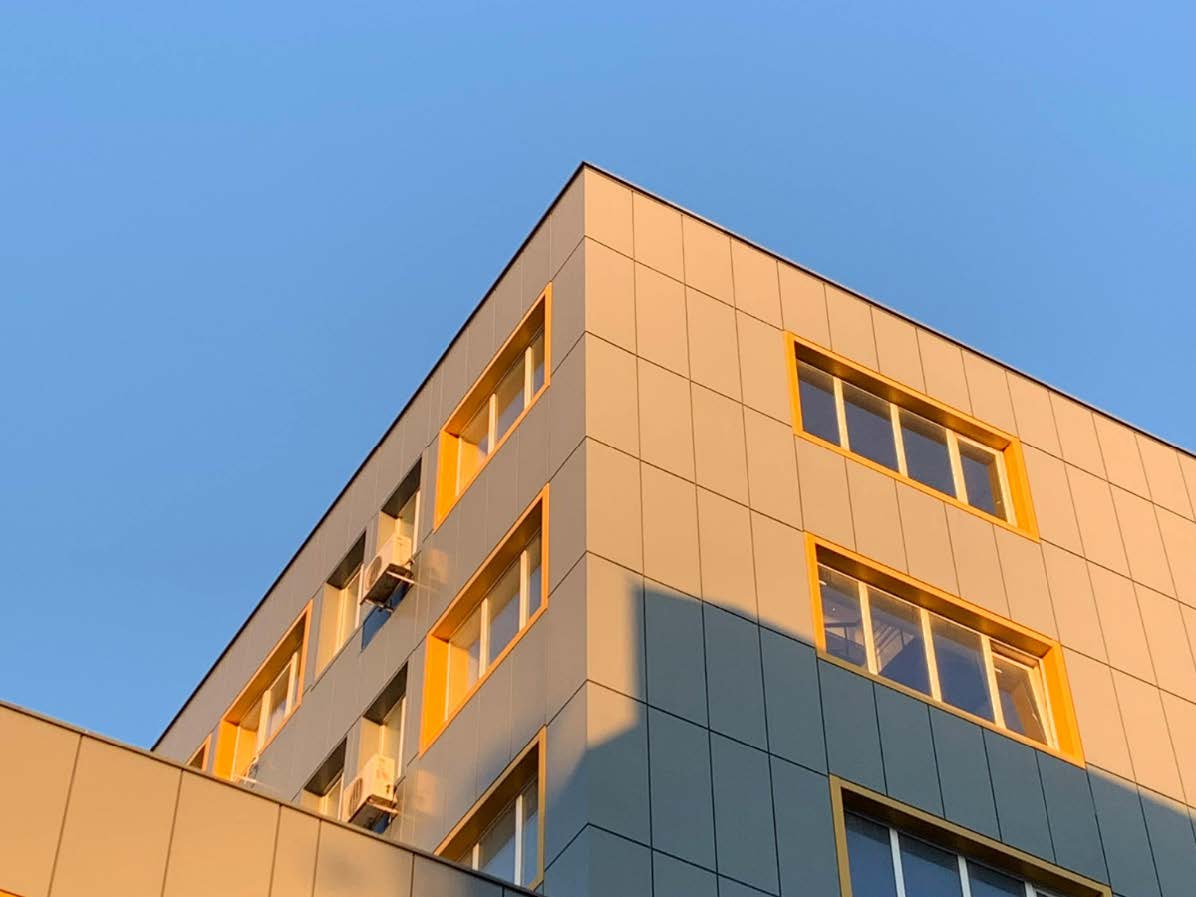
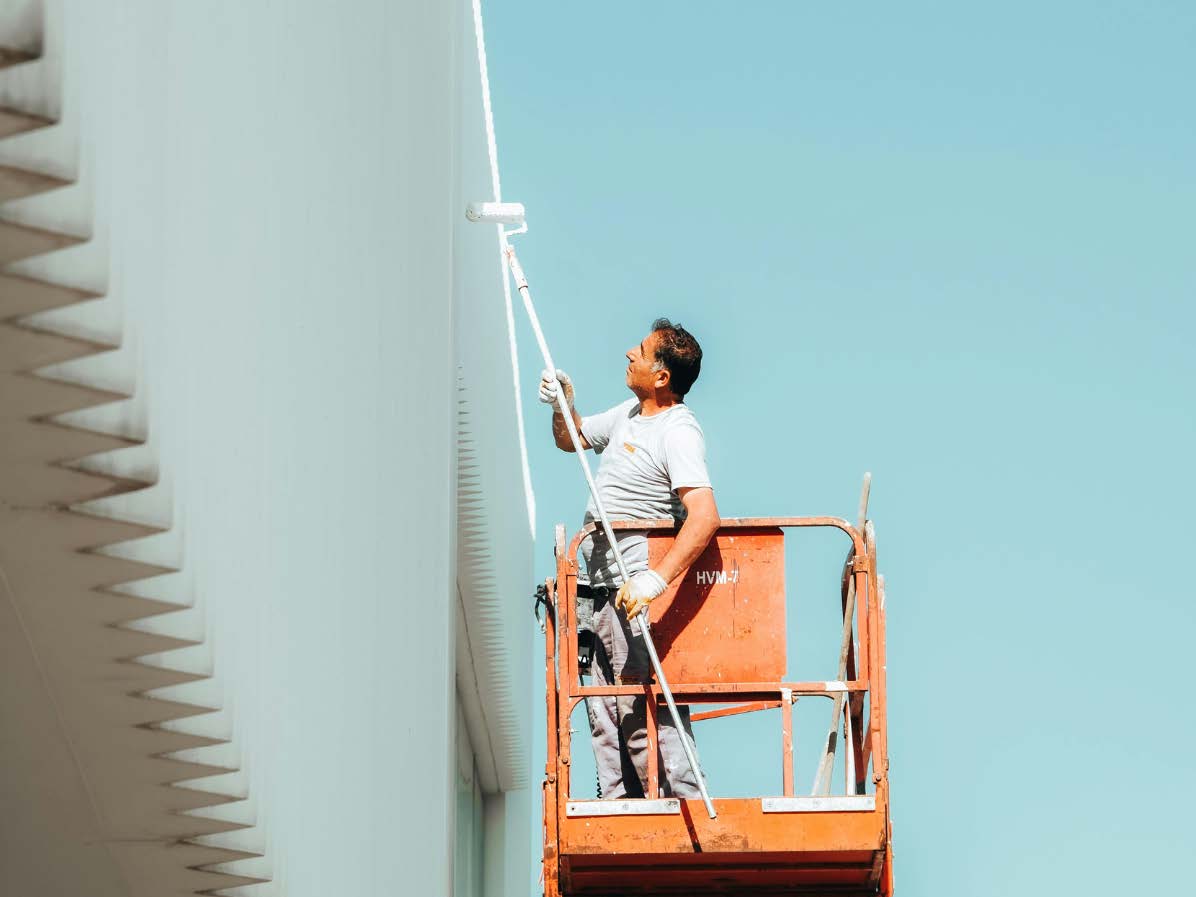
Not all sections of commercial properties wear at the same rate, and a strategic maintenance plan accounts for these differences. South and west-facing walls receive the most direct sun and often require a refresh sooner than shaded areas.
High-traffic areas, such as loading docks or main retail entrances, experience constant physical wear and tear. A professional painter will focus on durability by selecting products specifically designed to withstand scuffs and impact in these zones. Regularly scheduled painting projects for these areas help protect your commercial real estate investment. Applying a fresh coat of paint to high-impact zones maintains the professional standard expected by tenants and customers.
Scheduling for Weather and Business Continuity
Timing a project requires balancing ideal application temperatures with the need to minimize tenant disruption. You do not need to manage the brushes, but you should coordinate with your contractor on the seasonal window.
- Ideal Temperature Windows: Plan for application when daytime highs are between 60°F and 90°F. Painting when surfaces exceed 100°F prevents the material from bonding, causing the finish to dry too fast and flake later.
- Avoiding Monsoon Humidity: Schedule large projects for the spring or late fall. High humidity during the monsoon season can trap moisture behind the new layer, leading to bubbles and premature failure.
- Strategic Work Phasing: Request a plan that moves with the sun. Crews should work on the west side in the morning and the east side in the afternoon to keep the surface out of direct, intense heat.
- Early Intervention Benefits: Fixing small cracks or faded sections before the next summer peak reduces total labor costs. Addressing issues while they are localized prevents a full-scale failure of the building envelope.
Strategic Preservation of Commercial Assets
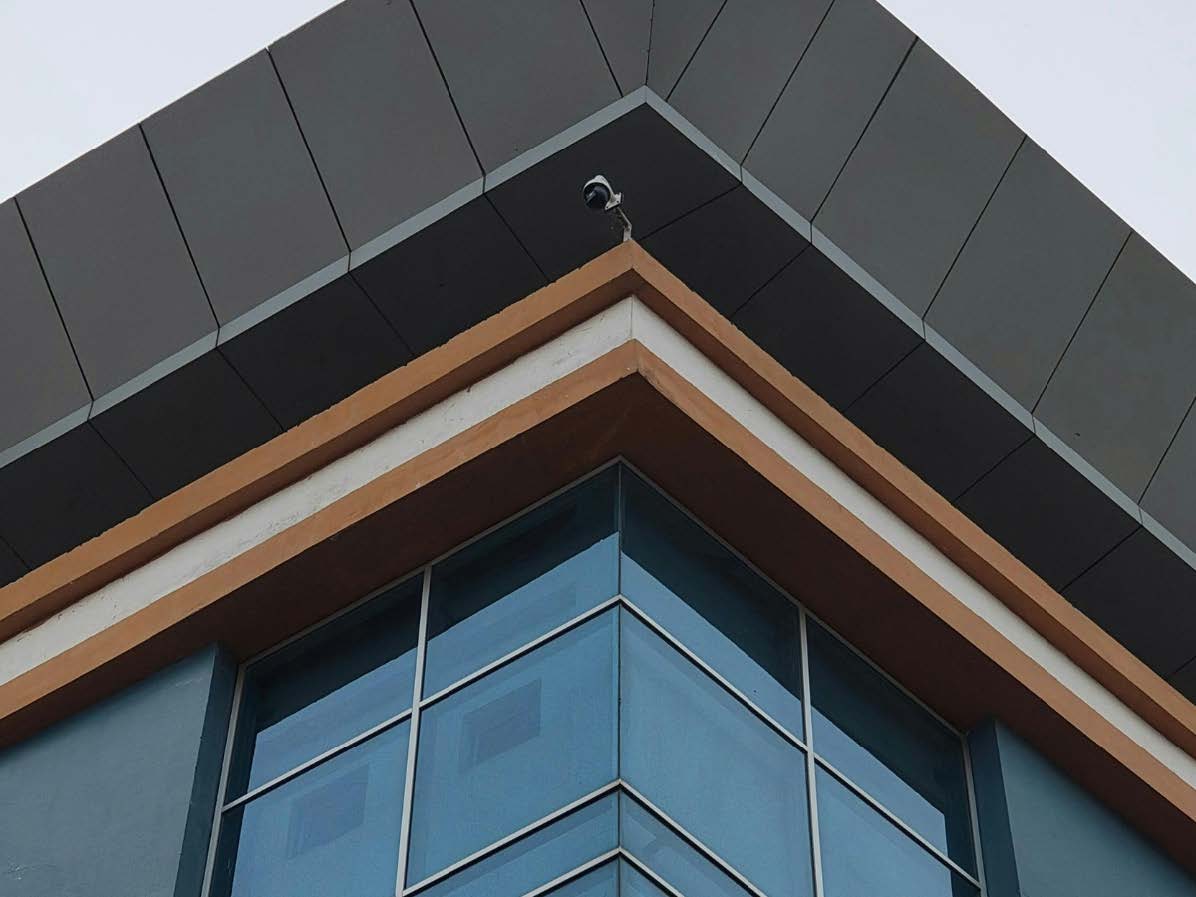
Maintaining a sealed and intact exterior is a fundamental part of managing a commercial property in the Southwest. In the commercial real estate (CRE) landscape, staying ahead of the repaint cycle prevents expensive repairs to the underlying stucco and maintains the market value of the asset.
Regular inspections allow for the identification of minor issues before they become significant financial liabilities. Following a localized maintenance strategy keeps your building a durable and competitive investment for the long term.
Written by Jake Aaron | wewrite.best | [email protected]
Learn More About Our Full-Service Brokerage Firm
Contact Us